Part 3: Cost vs. Worth Was Our $107k Basement Remodel Worth It?
After a year of waiting, months of construction, and $106,916 invested, the question everyone asks is: “Was it actually worth it?”
As a designer, I look at “worth” in two ways: the Equity ROI (the numbers) and the Lifestyle ROI (the feeling). Today, I’m breaking down both and sharing why this space has unexpectedly become the most loved part of our home.
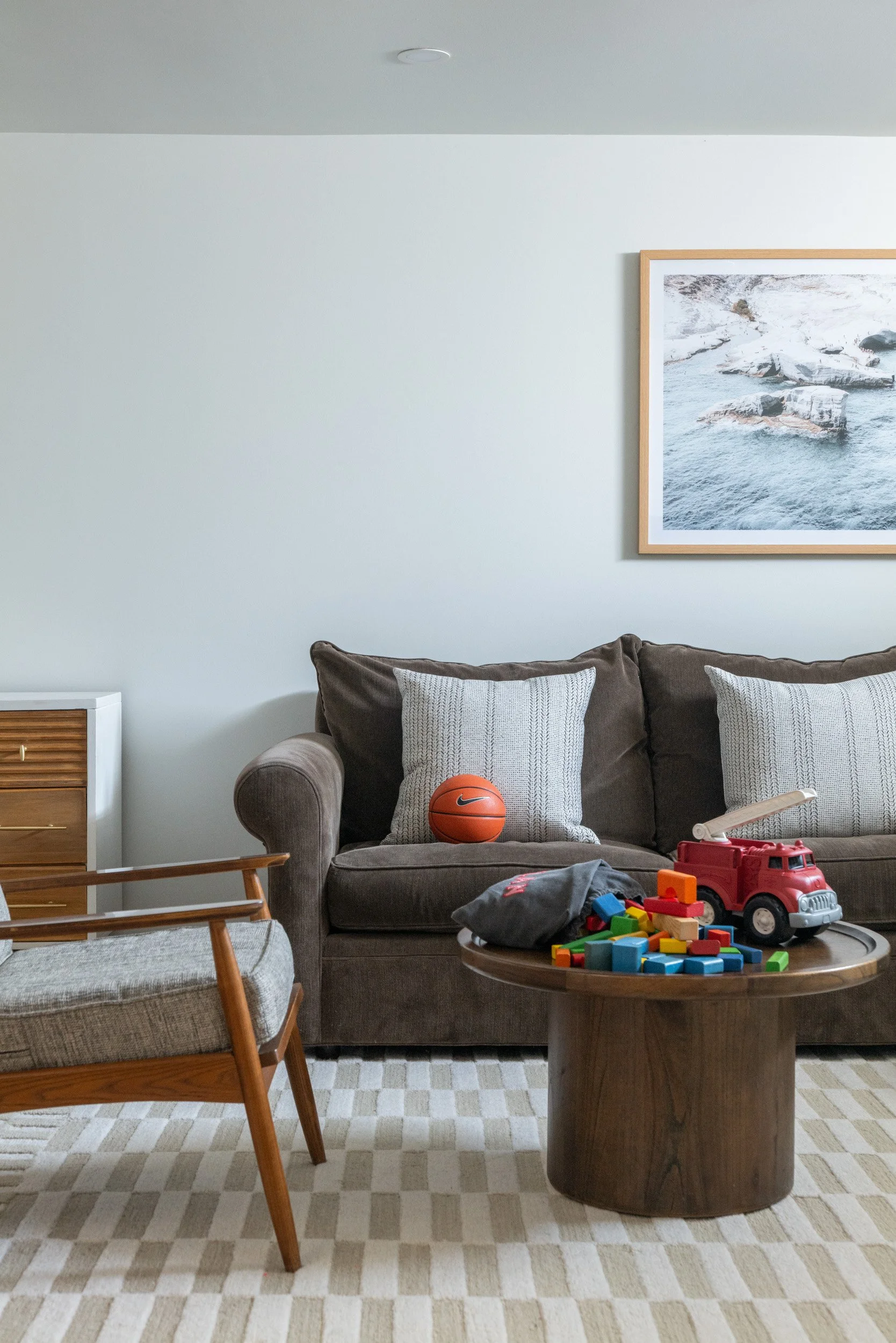
Our basement family room
The Design Wins: Mixing High and Low
To stay on budget without sacrificing the aesthetic, we leaned into a "High-Low" design strategy. This is how we made a basement feel like a luxury suite:
The Splurge ($2,031 at Kohler + $2,200 Custom Railing): We invested in high-touch items. The custom railing and the Kohler bathroom fixtures provide a tactile sense of quality that elevates the entire floor.
The Smart Save ($2,702 at IKEA): By using IKEA for our wet bar and storage cabinetry, we saved an estimated $10,000 compared to custom work. Yes, it took hours to assemble, but that savings allowed us to afford the heated bathroom floors and the new boiler.
The Convenience Factor: That under-stairs wet bar with the full-size fridge? It’s a game-changer. Guests have their own "coffee station" in the morning, and our family finally has a place for all that extra grocery overflow.
The Financial ROI: Instant Equity
Let’s talk numbers. Because I acted as the Designer and General Contractor, I bypassed the 20–30% GC markup and the 10–12% design fees.
Our Total Cost: ~$107,000
Estimated Market Value: ~$155,000
By doing the professional management ourselves, we built roughly $48,000 in "instant equity." In the 2026 market, a finished basement with a legal bedroom and a full bath is one of the highest-returning investments a homeowner can make. We didn't just spend money; we moved it from a bank account into our home's foundation.
The Lifestyle ROI: Our New Favorite Place
The numbers are great, but the Lifestyle ROI is what we feel every day.
What used to be a dark, asbestos-filled utility space has become our main family hangout spot. It provided the extra "breathing room" our home desperately needed. Whether it’s movie nights in the lounge, a quiet place for guests to stay, or just having a warm, bright space to retreat to during the winter, the basement has changed how we live in our home.
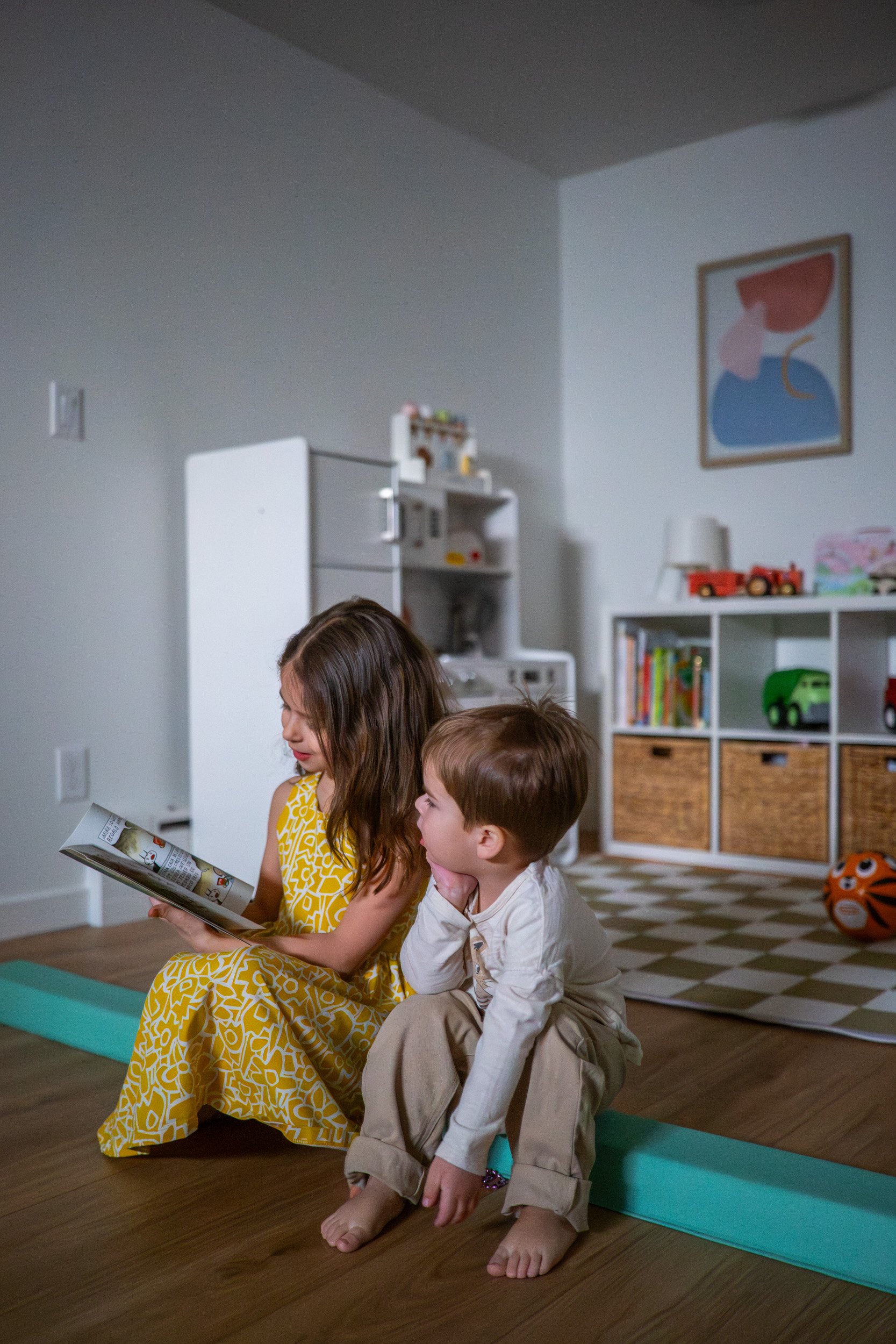
We love spending time here. It doesn't feel like a "basement", it feels like the best version of our home.The Supporting Cast
Final Advice for Busy Families
If you are sitting on an unfinished basement and wondering if you should take the plunge, here is my takeaway:
Do it right the first time. Don't hide problems behind soffits.
Invest in the "Invisible." The comfort of a high-efficiency boiler and heated floors is worth more than a fancy sofa.
Know your limits. If you don't have 400 hours to spare, hire a pro.
The Value of a Designer-Led Project
While I’ve shown you the "at-cost" numbers from my own home, the reality is that most families don't want a second full-time job as a project manager. That 20–30% GC markup and 10-12% Design fee isn't just an "extra" cost, it’s an investment in certainty.
As a designer, the value I bring to your project goes far beyond picking paint colors. I am there to:
Prevent Costly Mistakes: Ensuring the layout is right before you break the concrete.
Advocate for Your Vision: Managing the trades so you don’t have to argue about pipe placement or ceiling heights.
Balance the Budget: Knowing exactly where to save (like those $10k cabinet pivots) so you can afford the "must-haves" that make you love the space.
Are you ready to find the hidden potential in your home? If you love the look of this project but want to protect your time and ensure the job is done right the first time, let’s talk. I’d love to help you design a space your family loves as much as we love ours without the 400-hour headache.